|
AGRICULTURE & FOOD PROCESSING INDUSTRY
|
|
|
|
|
|
Agro Industries
|
| Highlights
|

|
The State has six Agro-Ciimatic zones, producing a wide variety of crops, fruits and vegetables
|
|
|
Highest producer of vegetables in the country
|
|
|
Leader in producing pineapples
|
|
|
Occupies second or third position consistently in fruits production
|
|
|
Bengal is home to exotic varieties of Flowers, Orchids and Cacti
|
|
|
Stress upon crop diversification, preservation of produce and opening up of marketing avenues
|
|
|
Kisan Mandis being set up in all 341 blocks of the State
|
|
|
Cold storage and food processing facilities have been planned th rough PPP mode
|
| Opportunities Galore
|
|
|
Eight Food Parks are in operation in various parts of the State
|
|
|
Food Park at Chakgaria involved in Fish Processing
|
|
|
Food Park at Maida is coming up
|
|
|
Food Park Phase-Ill under implementation at Howrah
|
|
|
Mini Food Park coming up at Howrah
|
|
|
Future Group has proposed to set up a Mega Food Park at Kharagpur
|
|
|
Ministry of Food Processing Industries, GOI, has financed/subsidised the Jangipur Bengal Mega Food Park in Murshidabad
|
|
|
| Food Processing
|
| Profile & Performance
|
| In food and agro processing sector West Bengal is one of the three front running states in India.
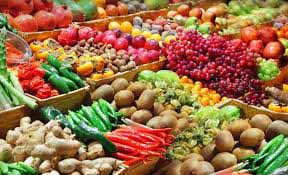
Agriculture contributes 30% in the SDP and employs 57% of the workforce. Fruits, vegetables and cereals grow in abundance in West Bengal.
The state accounts for 30% of potatoes, 27% of pineapples, 12% of bananas and 16% of India’s rice production.
Additionally fruits like mangoes, papays, guava and jackfruit and vegetables like tomatoes, cauliflowers, cabbage, brinjal, pumpkin,
are available in plenty.
|
| Highlights
|
 |
Largest producer of rice, pineapple, vegetables and fruits in the country. |
|
|
Second largest producer of potatoes and lychees. |
|
|
Ranks 1st in total meat production (including poultry) in the country. |
|
|
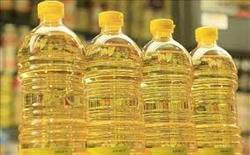
Accounts for 10% of the country’s edible oil production. |
|
|
Substantial producer of spices, coconut, cashew nut, arecanut, betel vine and oilseeds. |
|
|
|
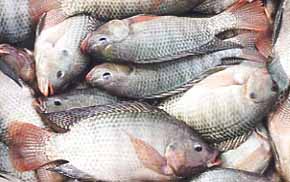
| West Bengal is also one of the leading states in pisciculture. Fish plays a major role in the Bengali client.
The state has been awarded the 1st prize for 8 consecutive years for its achievements in the fishery sector. Some of the highlights are:
|
|
|
|
Largest producer of fish in the country. |
|
|
Also the largest supplier of fish and supplies nearly 80% of the carp seed demand of the country. |
|
|
Highest producer of shrimps. |
|
|
Produces significant amount of fresh water fish. |
|
|
| Some of the key entrepreneurs in this industry n the State are:
|
|
|
Ascon Agro PE & B Pvt.
Ltd. a Pailan Group company who have entered into a joint venture with
AFT/PB Counseil of France for setting up a food processing unit in
Dhaniakhali, Hooghly to produce potato flakes. |
|
|
Dabur Limited has set up a food processing unit in North Bengal |
|
|
Frito-Lay a division of PepsiCo has set up a potato processing unit in Howrah. |
|
|
Companies like Unilever and Nestle have expressed interest to set up food processing units in the state. |
|
|
Arambagh Hatcheries was set up
in 1975 and has grown by over 30% per year marketing poultry products
and has also ventured into a chain of mini supermarkets selling
groceries to cold meat and ready-to-cook food items. |
|

|
|
| Some of the other notable projects in this area
|
|
|
|
MP Glychem Industries Ltd. (Haldia) |
|
|
Haldia Vegetable Oil and Foods (Haldia) |
|
|
Hooghly Mills Project (Durgapore) |
|
|
Kanchan Oil Industries |
|
|
| Policies & Plans
|
| Agro & Food Processing Industries form a very important part of the State’s economy. The West Bengal Government is setting up a number of policies & plans to focus on the selected areas like vegetables, fruits, fisheries, rice, poultry, dairy & floriculture.
|
| The major thrust areas of the policy are:
|
|
|
Increase agricultural
production & productivity vertically through wider adoption of
appropriate eco-system-specific & cost effective technology. |
|
|
Bring more area under High Yielding Variety (HYV), hybrid & improved varieties of crops. |
|
|
Emphasize increase production of pulses & oil seeds in non-traditional areas & non-conventional seasons. |
|
|
Create employment
opportunities in this sector to improve the socio-economic status of the
farmers & also to remove sub-regional disparity. |
|
|
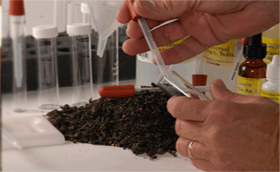
Extending soil-testing facilities up to district level for proper use of fertilizer. |
|
|
Post-harvest technology for reducing loss & better marketability. |
|
|
Bring cultivable waste land & fallow land under cultivation. |
|
|
Application of low cost technology for increasing production & productivity. |
|
|
More money involvement in agriculture. |
|
|
Encourage private entrepreneurship for processing of fruits, vegetables & horticultural items. |
|
|
Promote floriculture parks & flower complexes in the state. |
|
|
Other Business Process, knowledge Process and Engineering Process Outsourcing services |
|
|
|
| The
State Government is encouraging the farmers for mechanization through
the use of modern agricultural implements & machines for timely farm
operation & reduction in the cost of cultivation.
|
| Products & Services (Illustrative List)
|
| The state has made commendable progress in the Horticultural sector, and the agri business has been identified as a key area for sustainable economic growth. There is a whole range of business opportunities for entrepreneurs:
|
| Pre-Harvest Sector
|
|
|
|
Production of Hybrid seeds and planting materials |
|
|
High tech horticulture tissue culture |
|
|
Export oriented horticulture estates in organic farming |
|
|
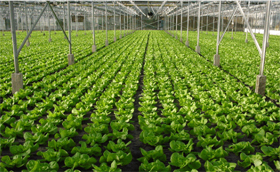
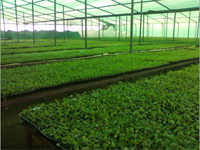
Green house production |
|
|
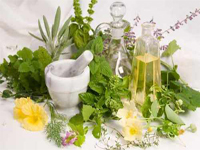
Medicinal & aromatic plants |
|
|
| Processing Sector
|
| A. Fruits and Vegetable processing
|
|
|
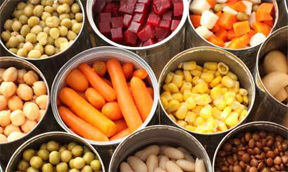
Frozen Fruits and Vegetables |
|
|
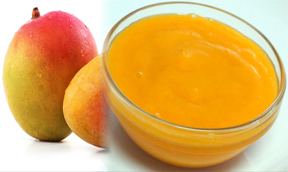
Pulp / concentrates from Mango, Banana, Papays, Tomato, Guava, Pineapple and Litchi. |
|
|
Potato granules / flakes |
|
|
Dehydrated potato cubes and slices |
|
|
Aseptic banana puree |
|
|
Tomato paste |
|
|
Canned fruits and vegetables |
|
|
Dehydrated fruits and vegetables |
|
|
Candid and crystallized fruits |
|
|
Button mushroom cultivation and processing |
|
|
|
| B. Processed food
|
|
|
|
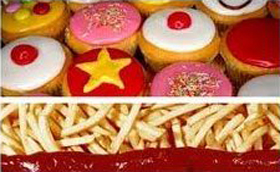
Snack Food |
|
|
Pasta |
|
|
Noodles |
|
|
Fast food |
|
|
Instant rice / pulses |
|
|
| C. Poultry and Meat processing
|
|
|
Meat Processing |
|
|
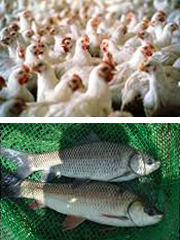
Integrated poultry hatching, farming and processing |
|
| D. Fish processing
|
|
|
Frozen and Dehydrated fish |
|
|
Fish Products |
|
| E. Dairy
|
| Integrated Dairy farming and milk processing toned milk, milk protein isolate, cheese, casein, butter, etc.
|
|
|
| F. Rice Bran Oil, Spice Oils and Oleoresins
|
|
| G. Support services and Infrastructure such as
|
|
|
Cold Chain / Marketing Centre |
|
|
Cold chain facilities for preservation of fruits, vegetables and flowers |
|
|
Efficient post-harvest handling system right from farm to retail marketing |
|
|
Setting up of pre-cooling facilities, refrigerated transport system and refrigerated retails outlets |
|
|
Marketing with storage facilities at controlled and modified atmosphere |
|
|
Modern Slaughter house |
|
|
Modern harbour, mechanized boats and trawlers for marine fishery sector. |
|
| H. Food Park
|
|
|
Food processing industrial
estate with common facilities like multipurpose cold storage, effluent
treatment plant, quality control laboratory, packaging centre,
warehouse, water supply, power supply, sewerage, etc. |
|
| I. Packaging Material & Machinery
|
|
|
PP & PET thermoformed containers and packaging machinery |
|
|
Light weight glass container |
|
|
Co-extruded bottles |
|
|
Thin walled aluminum container |
|
|
Bio-degradable / degradable packaging materials |
|
|
Modified atmosphere packaging |
|
|
Controlled atmosphere packaging |
|
|
Aseptic packaging machinery for rigid bottless and semi rigid container; flexible system (pouch). |
|
|
Flexible packaging materials with different types of good laminates |
|
|
Vacuum packaging and glass flushing (Nitrogen & carbon dioxide) machine |
|
|
Retort packaging system (Retortable packaging materials and machinery) |
|
|
Metal container (OTS cans) |
|
|
Canning machinery |
|
| Floriculture
|
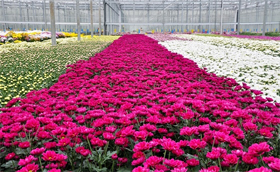
| Floriculture including ornamental plant production is an emerging industry in West Bengal with very high prospects. The state produces around 58,000 tonnes of flowers every year and has more than 10,000 acres of land devoted for that purpose.
|
| Major flowers produced in the state are:
|
|
|
Tuberose |
|
|
Gladiolus |
|
|
Rose |
|
|
Gerbera |
|
|
Carnation |
|
|
Cockscomb |
|
|
|
| Flowers in West Bengal are mainly grown in places like, Kalimpong, Panskura, Ranaghat, Thakurnagar, Bagnan and also other places around the state. West Bengal with its excellent logistics, research and extension support in floriculture trade has got huge potential to capture the booming export markets of Europe and Japan.
|
| The countries which imports flowers from West Bengal
|
|
|
Holland |
|
|
Middle East (mainly Sharjah) |
|
|
UK |
|
| The state government has undertaken several initiatives to boost this sector :
|
|
|
The State has set up a
floriculture park at Mungpoo in North Bengal, which will provide common
infrastructure to the entrepreneurs. It will have cold storage
facilities, grading / packaging room, tissue culture lab and
refrigerated vans to collect flowers and then transport it. |
|
|
A mega flower mart in
Mullickghat, Kolkata, is being set up at a cost of Rs 250 million with
dedicated flower stalls, state-of-the-art cold chain infrastructure for
preserving flowers and also plush stalls offering handicrafts and other
ethnic treasures. |
|
|
There is comprehensive
multi-storied flower market with facilities for cold storage at Panskura
build at cost of more than US$ 1 million. |
|
|
The Department of Food Processing Industries and Horticulture, at Ranaghat, have developed a market complex |
|
|
Another floriculture park is
being developed at Jagulia near Haringhata in Nadia district which will
have tow separate pack houses, one for flowers and one for vegetables,
one exclusive nursery, and a commercial seed production farm. |
|
|
The government has recently
received a US$ 33 million proposal for setting up an open air
floriculture pack on 200 acres mainly to cultivate roses at Rajarhat,
Kolkata. |
|
| Tea
|
| West Bengal is the second largest tea growing state in the countryl contributing almost 21% of the total production in the country. There are three tea-growing zones in the state.
|
|
|
| Darjeeling ta is considered to be the finest in the world. There are 343 tea gardns in West Bengal covering 1,03,950 hectares planted area.
|
| Production of tea in West Bengal (‘000 Kgs) |
| District |
2005 (E) |
2004 |
2003 |
| Darjeeling |
11,366 |
10,065 |
9,582 |
| Terai |
70,240 |
69,239 |
59,786 |
| Dooars |
1,33,054 |
1,35,237 |
1,31,267 |
| Total |
2,14.660 |
2,14,541 |
2,00,635 |
|
Source: Directorate of Industries, GoWB, 2006
Some of the major player sin the Tea industry in West Bengal include Tata Tea Ltd, a US$ 178 million company
which has a joint venture with UK based James Finlay & Company. Both of them together representing
the world’s second largest global branded tea operations with product and brand presence in over 50 countries. Goodricke Group Ltd.
(GGL) a part of the UK-based Cammelia Plc, the world’s single largest tea producer in the private sector.
In India it is the third largest tea producer and the leading producer of Darjeeling tea. It has 30 gardens spread over 15,766 hectares.
Williamoson Magor Group established in 1868 producing around 5 million tones of tea from its tea estate in Dooars; Duncan Group,
which has 13 tea estates located in the Doors, Terai and Darjeeling, and who have recently started a
concept of “branded loose tea retailing” to sell tea from their outlets.
|
|
|
Contents provided by the Commerce & Industries Department, Government of West Bengal
Site Designed, hosted and maintained by National Informatics Centre
Best Viewed in Internet Explorer 8.0/Firefox 3.6 or Later.
Legal Disclaimer
|
|
|